



- The benchmark 10-year bond yield has steadily fallen since mid-February.
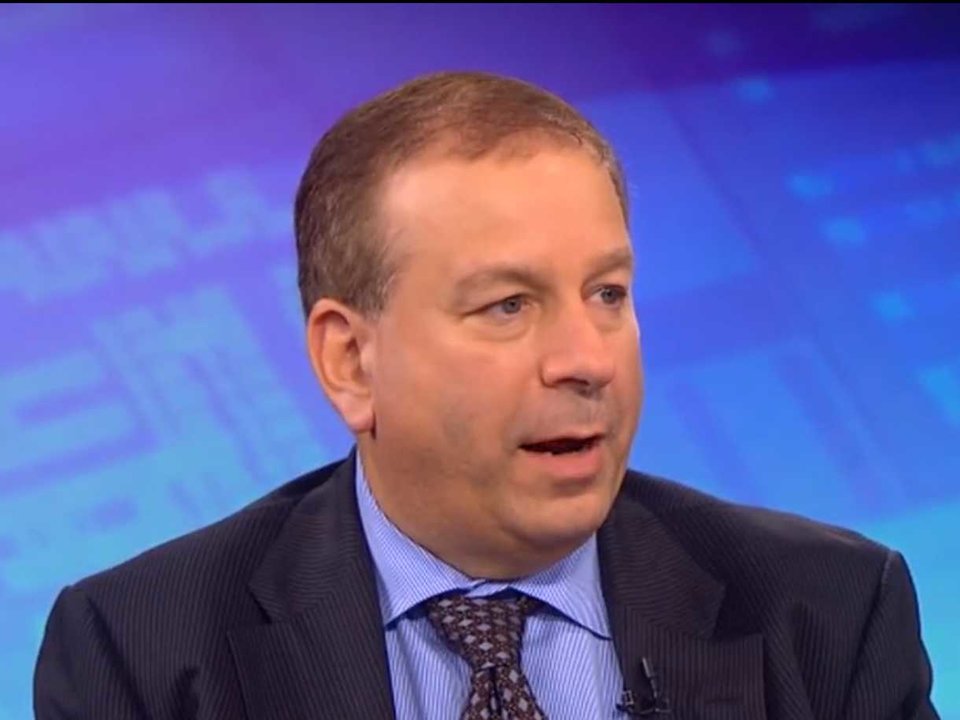
- This may well reflect some angst about a slowdown in the economy, according to David Rosenberg, the chief economist at Gluskin Sheff.
I find it interesting that since the yield on the 10-year Treasury note peaked in the third week of February, the S&P 500 has done diddly squat. The yield has come down nearly 15 basis points, while the stock market has not gone up and the volatility remains intense.
So this tells me that while the first leg down in late January and early February reflected in part the tensions from sharply higher bond yields, this latest round of angst may well reflect what is happening in the economy.
In barely more than six weeks, the Atlanta Fed has slashed its Q1 real GDP growth forecast to 1.9% from 5.4%. And just once in the fifteen instances since 1980 that growth came in south of 2% in the first quarter, did the real GDP trend for the entire year manage to come in above 3%. Some nice side bets can be made on that factoid, don't you think?
On average, years in which the first quarter failed to break above 2%, the average pace for the entire year is just 1.2%. Escape velocity, nine years into this cycle, is as elusive as ever, even with the easiest monetary and most accommodative fiscal policy in modern history. Too many aging people with shifting spending habits and too much debt acting as a pervasive constraint on aggregate demand.
If you noticed on Thursday, the S&P 500 did close just a smidge below the 50-day moving average (closing at 2,747 while the trendline is at 2,748). The next technical stop for a technically-driven market is 2,577 or 170 points away at the 200 day trendline. Interestingly, a test of the 50-day moving average on the 10-year T-note would mean 2.75%, or 6 more basis points away, and the 200-day moving average is 2.40% so keep that in mind.
The prospect for a radical short squeeze given the near-record overhang of negative speculative bets on the CBOT is rather considerable. I think we will have to clear out those massive shorts before the bond bears will be able to reassert themselves, if at all. Outside of my good pal Lacy Hunt (over at the legendary bond firm, Hoisington Investment Management), the sentiment on Treasurys at last week's SIC event in San Diego (the famous "John Mauldin" conference) was universally negative. Though to be fair to the new Bond King, Jeff Gundlach, he did say his conviction level was only registering at a 6 out of 10.
The bond market is firing warning shots about the US economy
Scared calculated acts dining miller reverend palace
Typography
- Font Size
- Default
- Reading Mode